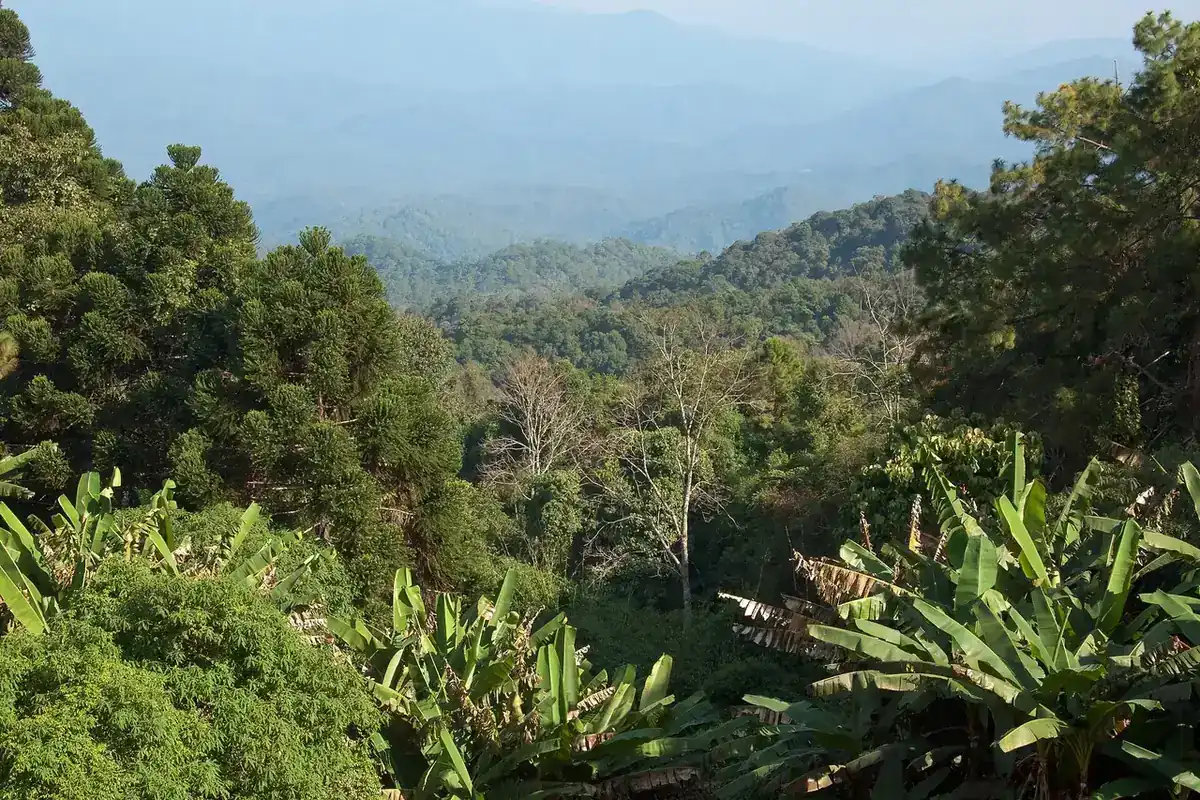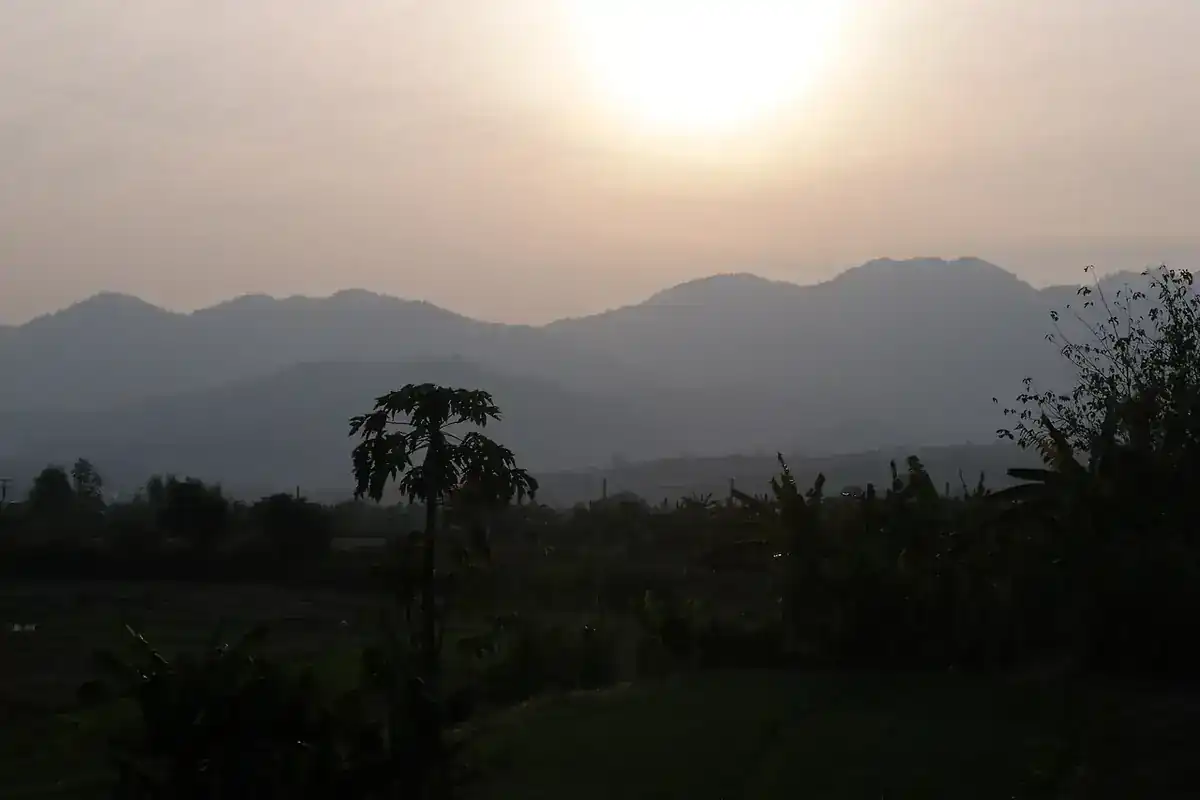
Chiang Mai is Thailand's largest northern city and a natural base for temples, markets, cooking classes and mountain scenery. The compact Old City sits inside a square moat, with more than a hundred temples scattered around it, while forested hills such as Doi Suthep and Doi Inthanon are within a day trip. It suits first-timers, slow travellers and anyone who wants a break from the beaches.
Chiang Mai at a glance
The city is easy to walk in the Old City and easy to ride around by red songthaew shared truck, ride-hailing app or rented scooter. Food is a highlight: northern dishes such as khao soi (curried noodle soup) and sai oua (herbal sausage) are found at every price level. This hub links to the detailed guides below, so use it as a map and then go deeper.
How to get there from Bangkok
All schedules and fares below are approximate and change often, so check each operator before you book.
| Option | Typical time | Notes |
|---|---|---|
| Flight | About 1 hr 10 min | Several daily flights from Bangkok's two airports; the quickest option. Chiang Mai airport is close to the Old City. |
| Overnight train | Roughly 11-13 hrs | Run by the State Railway of Thailand from Bangkok's Krung Thep Aphiwat station. Sleeper berths sell out in peak season, so check early. |
| Bus / coach | Roughly 9-11 hrs | Long-distance coaches from Bangkok's northern bus terminal (Mo Chit). Comfort varies by class. |
Flights save the most time; the sleeper train saves a hotel night and is a memorable way to arrive. Check the official State Railway of Thailand site for current timetables and fares, and see our guide to getting around Thailand for how to compare options.
Best time to visit
- Cool season, Nov-Feb: The most comfortable weather, with cooler mornings and evenings (it can feel chilly at altitude) and mostly clear skies. This is peak season, so book rooms early, especially around Christmas, New Year and the Yi Peng/Loy Krathong period (dates vary each year).
- Hot season, Mar-May: Temperatures climb. Early in this period the region is affected by burning season haze.
- Rainy (green) season, roughly Jun-Oct: Lush scenery, quieter attractions and lower prices, with afternoon showers common.
Burning and smoke season, roughly Feb-Apr: Agricultural burning and forest fires can push PM2.5 air pollution to unhealthy levels in northern Thailand. Severity varies by year. Check live readings on the Pollution Control Department's Air4Thai site (air4thai.pcd.go.th) before and during your trip, consider a well-fitting N95-type mask, and be flexible with outdoor plans. If you have asthma, heart or lung conditions, or are travelling with young children or older relatives, consider choosing another month or another region.
For a month-by-month view across the country, see Thailand best time by region.
Areas to stay
- Old City: Walkable to temples, cafes and the Sunday market; plenty of guesthouses and small hotels. Quieter at night than other areas.
- Nimman (Nimmanhaemin): Trendy cafes, co-working spaces, restaurants and boutique stays; popular with younger travellers and digital nomads.
- Riverside / Night Bazaar: Mid-range hotels and food along the Ping River, close to the Chang Khlan market area.
- Santitham: Local, lower-cost and food-focused, a short ride from both the Old City and Nimman.
For neighbourhood-by-neighbourhood detail and budget tiers, read Where to stay in Chiang Mai.
Top things to do
- Temple-hop the Old City: Wat Phra Singh, Wat Chedi Luang and Wat Chiang Man are good starting points. Dress modestly with covered shoulders and knees.
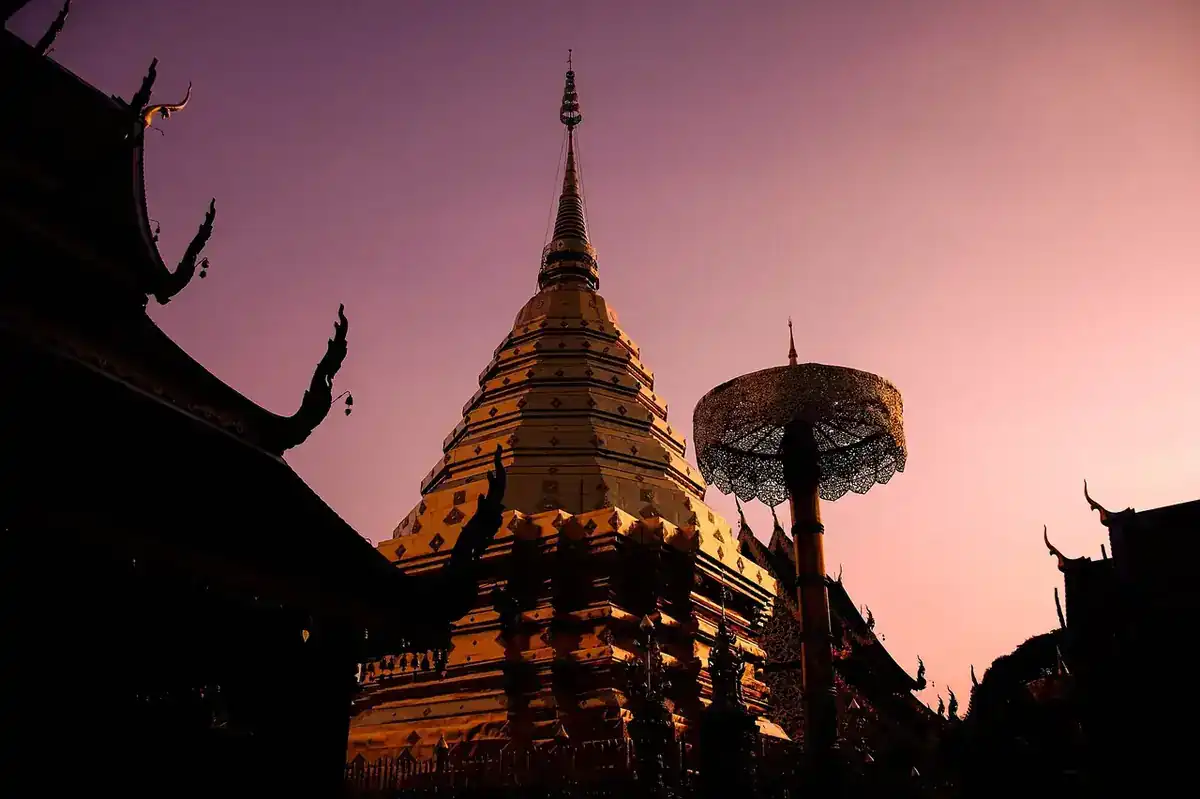
- Wat Phra That Doi Suthep: A hilltop temple above the city with views; reach it by songthaew or a hired driver.
- Markets: The Sunday Walking Street in the Old City and various night markets. Operating days and hours can change.
- Cooking class: Half-day classes typically include a market visit and several dishes.
- Doi Inthanon National Park: Thailand's highest peak is a long day trip; check the Department of National Parks website for current entry fees and conditions.
- Ethical elephant encounters: Choose carefully. See our ethical elephant visit guide.
Not sure how many days you need? Our 3-day Chiang Mai plan gives a day-by-day route you can stretch or trim.
Budget table
All figures are approximate, in Thai baht per person per day, as of 2026. Check current prices with each provider.
| Style | Accommodation | Food and drink | Transport and activities | Daily total |
|---|---|---|---|---|
| Budget | THB 300-700 (hostel / simple guesthouse) | THB 250-500 | THB 150-400 | THB 700-1,600 |
| Mid-range | THB 1,200-2,500 (hotel / boutique) | THB 600-1,200 | THB 400-1,000 | THB 2,200-4,700 |
| Comfortable | THB 3,000+ | THB 1,200+ | THB 1,000+ | THB 5,000+ |
Food is excellent value: a noodle or rice dish at a local shop is often well under THB 100, while sit-down restaurants and cafes in Nimman cost more. Day trips, cooking classes and entry fees are where budgets rise.
Nearby destinations
- Pai: A mountain-valley town about 3-4 hours away by road. Read Chiang Mai to Pai before choosing how to go.
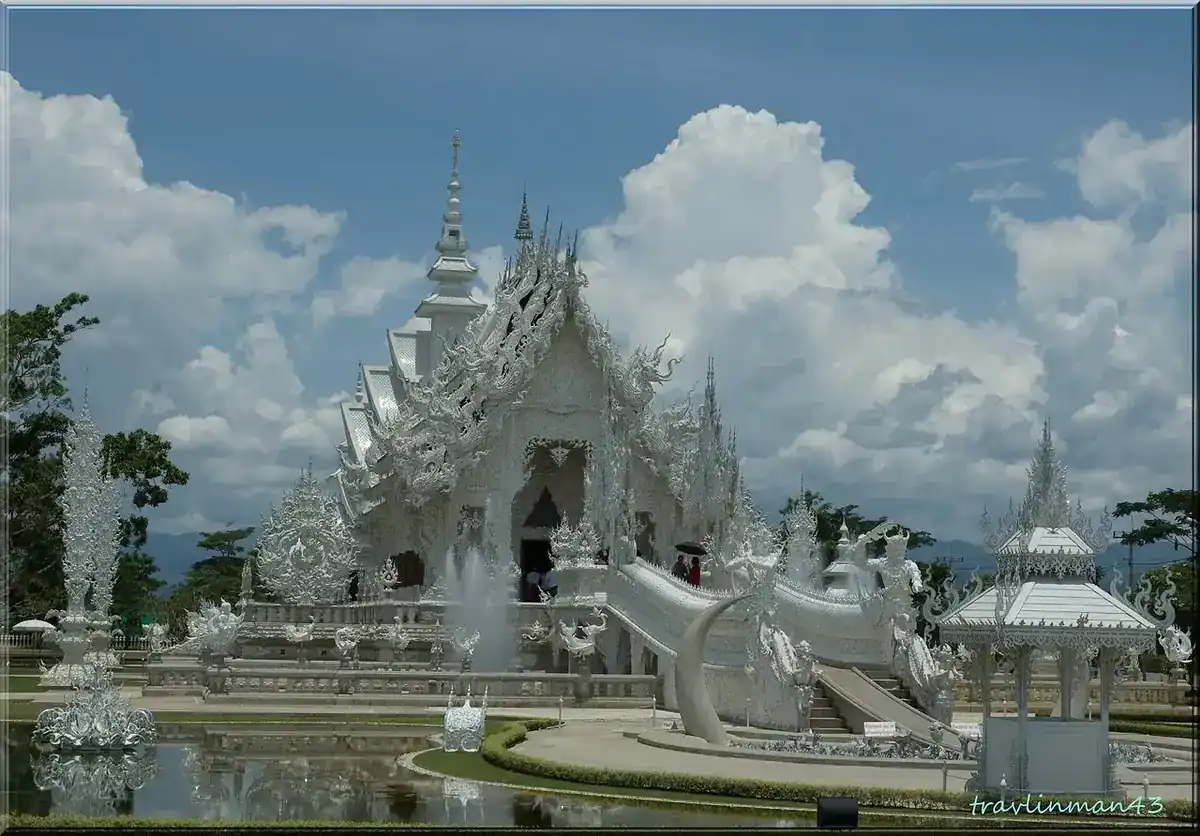
- Chiang Rai: Home to the White Temple, roughly 3-4 hours by road. See the Chiang Rai White Temple day trip.
- Thailand country hub: Entry rules, budgets and itineraries for the whole country.
What to bring
- Light layers: mornings and evenings in the cool season, and temple areas on hills, can be cool.
- Modest clothing for temples (shoulders and knees covered).
- A mask and a small first-aid kit if travelling in burning season.
- Travel insurance that covers scooter use if you plan to ride. Many policies exclude riders without a valid licence.
- Rain jacket in the green season.
Safety basics
Chiang Mai is generally relaxed, but use ordinary care. Agree on fares or use a metered or app-based ride before you set off. Be careful on scooters: roads around Doi Suthep are steep and winding, and accidents involving visitors are common. Keep copies of your passport and travel insurance details. In an emergency, call 191 for police, 1669 for medical help, or 1155 for the Tourist Police. See Thailand safety, scams and health for wider guidance.
FAQ
How many days do I need in Chiang Mai?
Three full days covers the Old City, Doi Suthep, markets and one day trip. Add days for cooking classes, Doi Inthanon or a side trip to Pai or Chiang Rai.
Is Chiang Mai worth visiting during burning season?
It can be, but air quality varies a lot by year and by day. Check Air4Thai (air4thai.pcd.go.th) and be ready to change plans or avoid the worst weeks, especially if you have respiratory conditions.
Should I fly or take the train from Bangkok?
Fly if time matters. Take the overnight train if you want to save a night of accommodation and enjoy the journey; book sleeper berths early in the cool season.
Do I need a scooter?
No. Songthaews and ride-hailing apps cover most routes. If you do ride, check your licence and insurance, wear a helmet, and avoid mountain roads if you are inexperienced.
What is the cheapest month to visit?
Prices are usually lower in the green season (roughly Jun-Oct) than in the Nov-Feb peak. Rates vary by year, so compare current prices.
Official sources and further reading
Prices, schedules and entry rules change. Figures here are approximate as of 2026; always confirm on the official or operator page before you book. Spotted something out of date? Tell us.