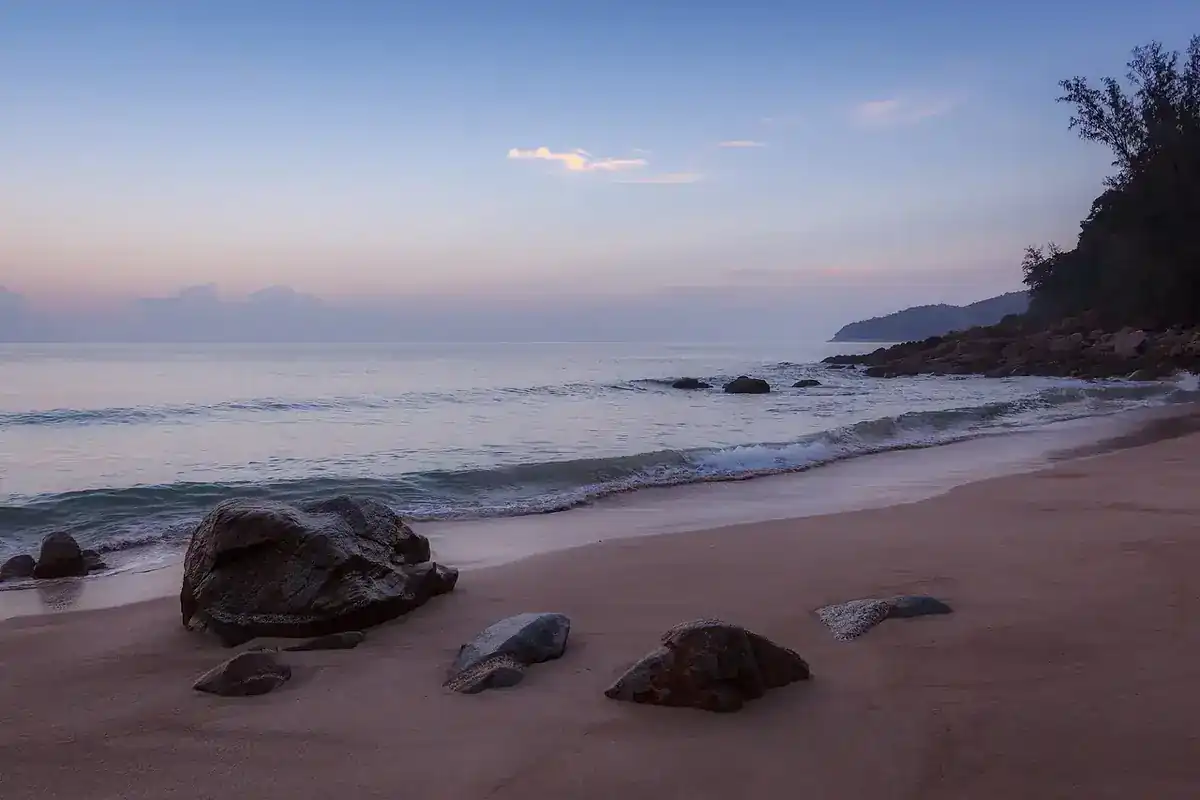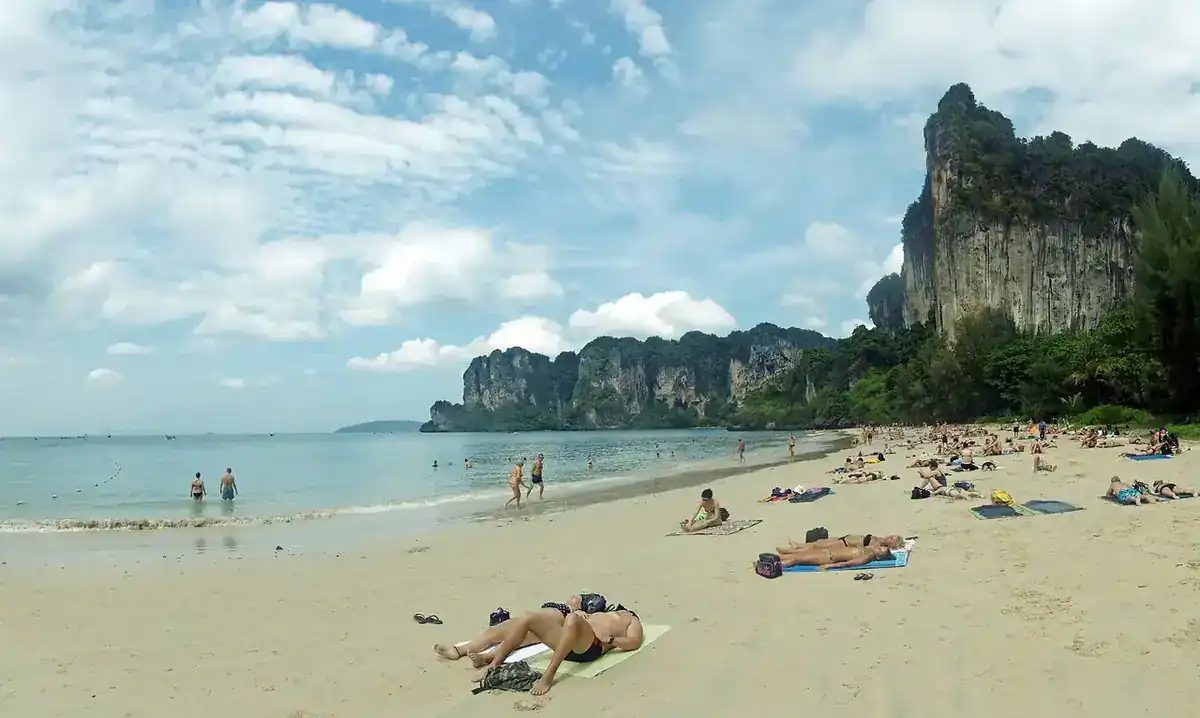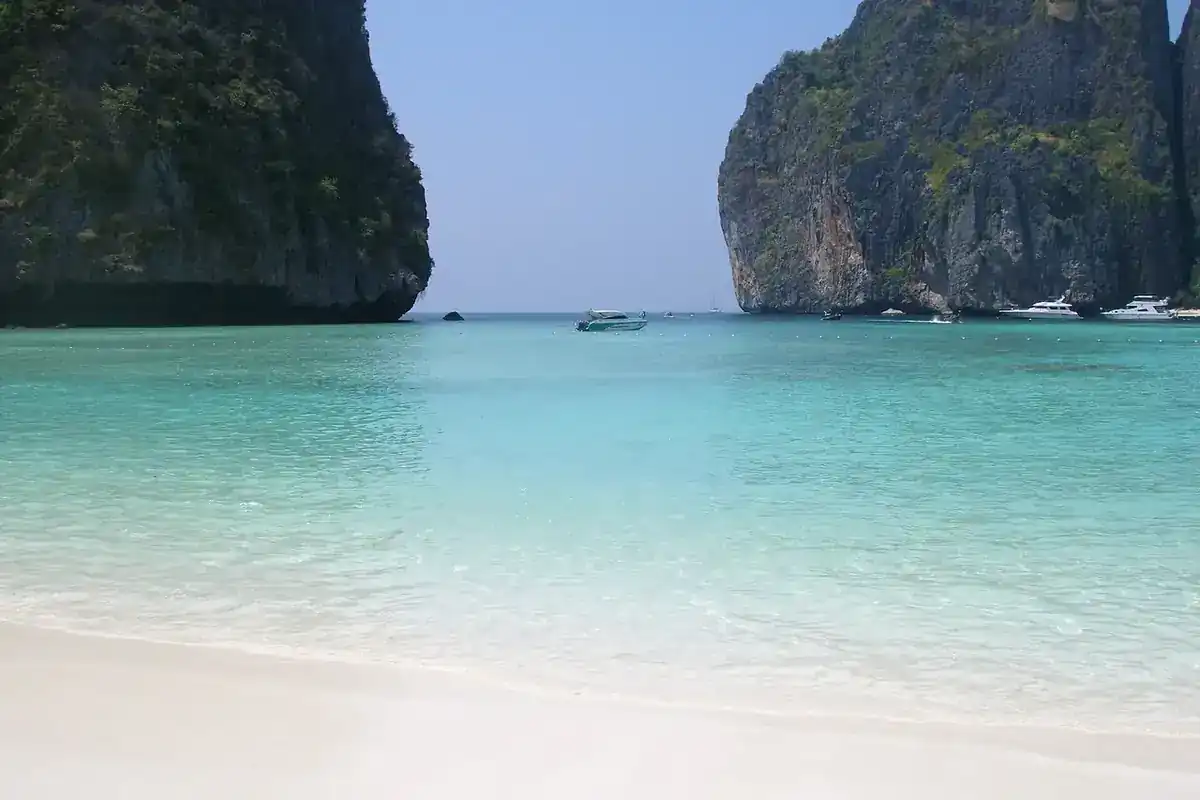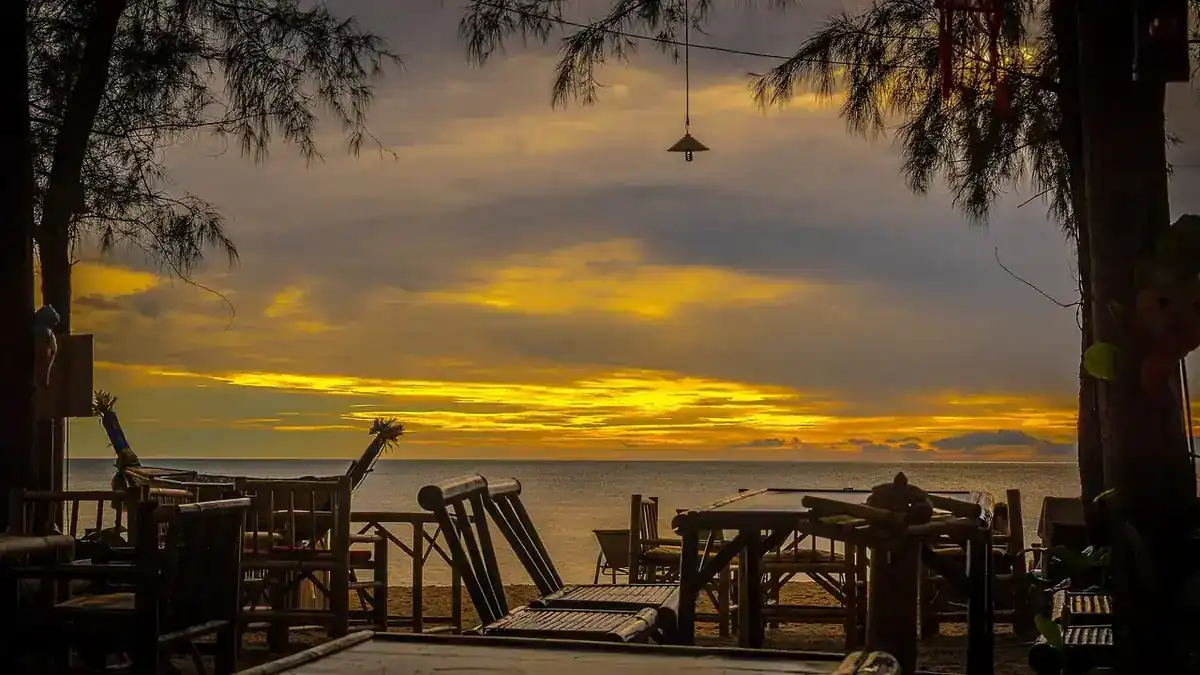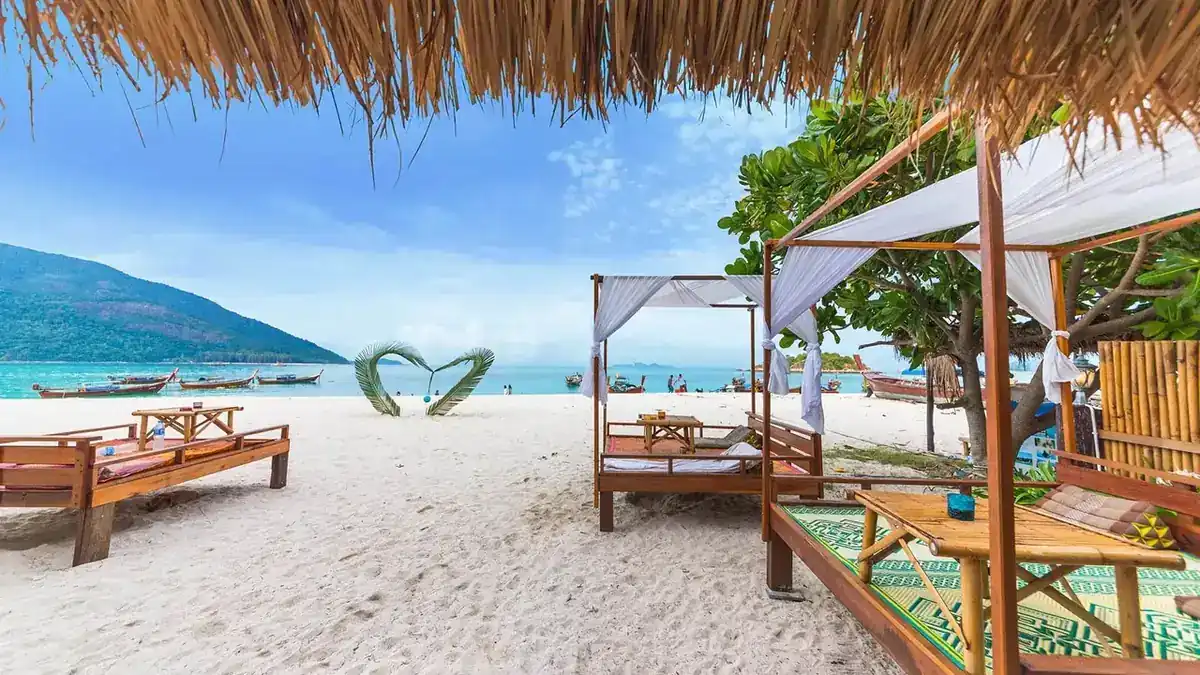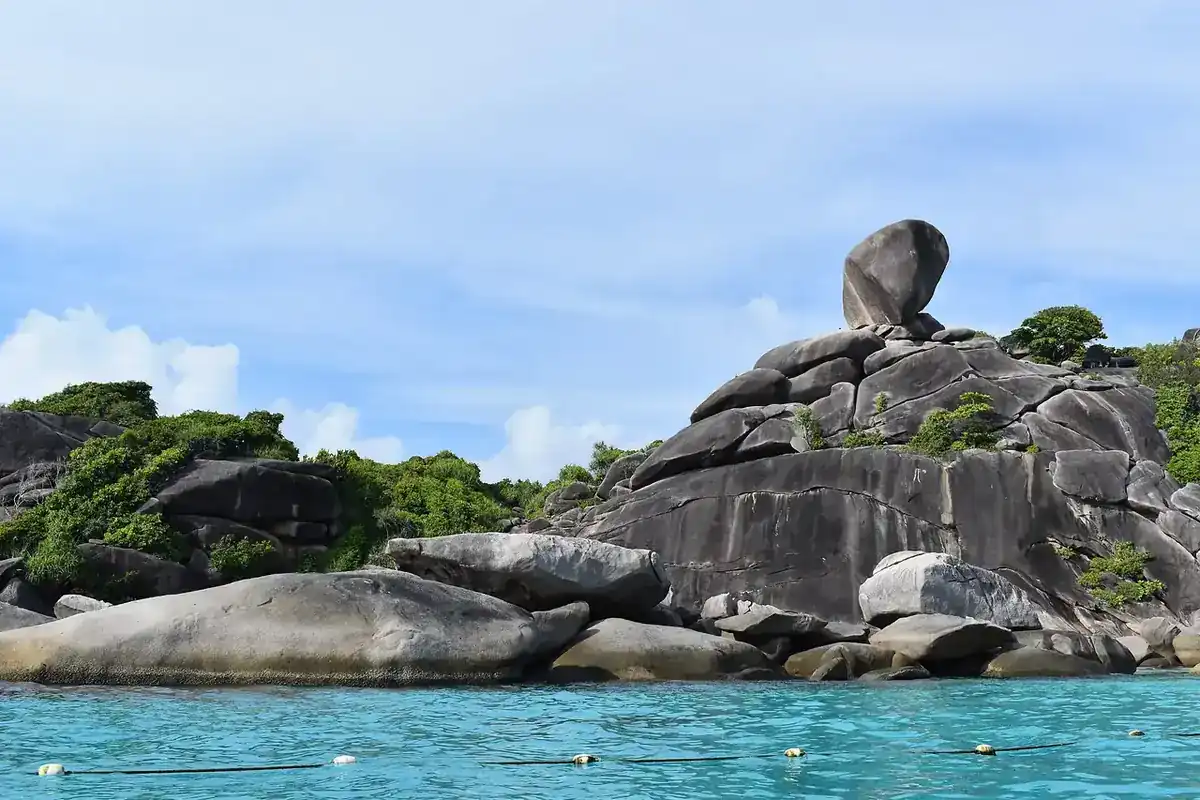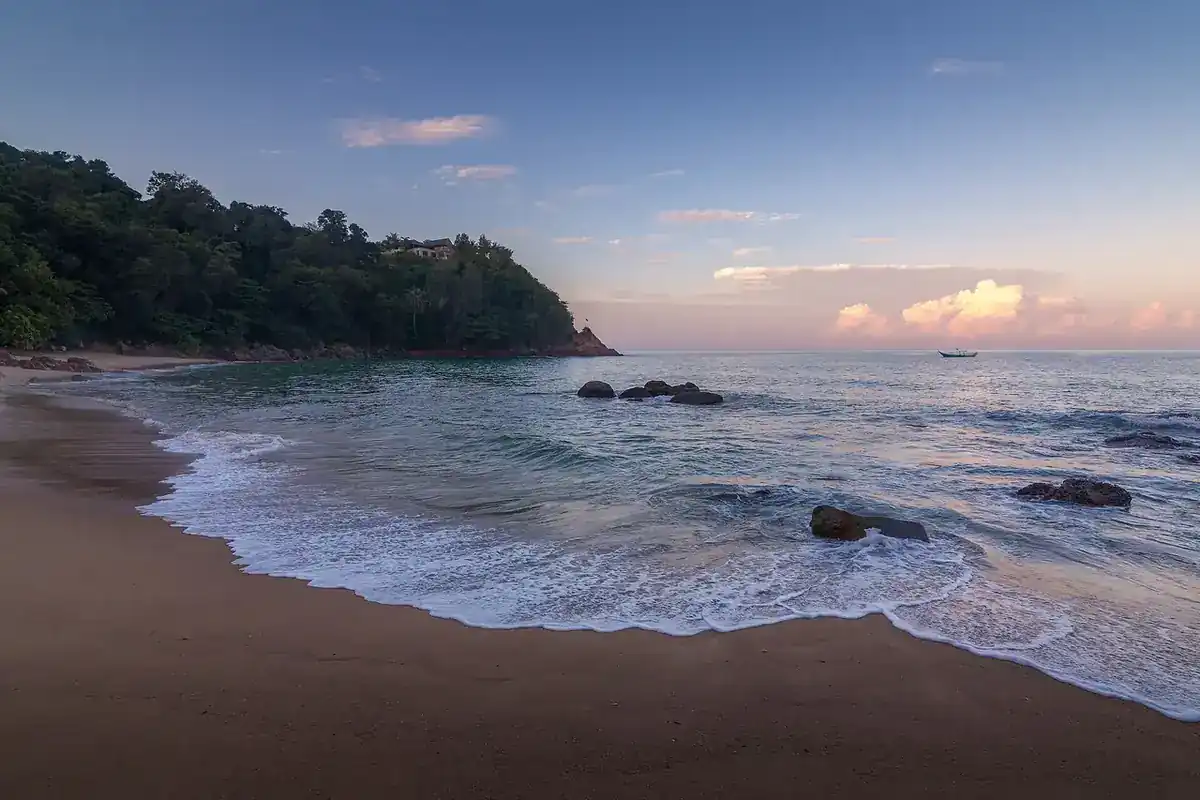
Phuket is Thailand's largest island and connected to the mainland by a bridge, which makes it the easiest Andaman Sea destination to reach. It is also a very varied island. The west coast has the famous beaches, from the busy Patong strip to quiet bays in the north. The east coast faces Phang Nga Bay and is mostly marinas and mangroves. Phuket Old Town in the south-east has Sino-Portuguese shophouses, cafes and street food. Most visitors use the island as a base for boat trips to Phi Phi, Phang Nga Bay and the Similan area, so a short stay can mix beach days with island days.
This hub gives you the lay of the land. Use the guides linked at the bottom to go deeper on a single decision, such as where to sleep or which boat tour to pick.
Phuket at a glance
| Question | Short answer |
|---|---|
| How big is it? | Roughly 50 km north to south, so travel between areas can take 45-90 minutes in traffic |
| How many days? | 3-4 days covers beaches, Old Town and one boat day; 5-7 days lets you add a second island trip |
| Is it good for families? | Yes, with calm-water beaches in the dry season and many resorts with kids facilities |
| Is it good on a budget? | Yes, particularly outside December-January and in Phuket Town or Kata/Karon guesthouses |
| Is it good in the rainy season? | Possible with flexibility; waves are rough on the west coast and some boat trips are cancelled |
Beaches and areas
Where you stay shapes your trip more than anything else. This is a quick orientation; the full comparison is in Where to Stay in Phuket and the beach-by-beach detail is in the Phuket beaches guide.
- Patong: the island's busiest resort town, with Bangla Road nightlife, a huge range of hotels and plenty of restaurants. Good for first-timers who want everything within walking distance; not a quiet beach.
- Kata and Karon: two long beaches south of Patong with a more relaxed mood, good for families and surfing in the monsoon season. Kata is more compact; Karon is wider and more spread out.
- Kamala and Surin: a calmer middle stretch with a local village feel at Kamala and upscale cafes near Surin.
- Bang Tao and Layan: wide beach, a large integrated resort area and quieter hotels. Better with a car or regular taxi use.
- Nai Harn, Rawai and Chalong: the far south. Nai Harn is scenic; Rawai and Chalong are practical for boat piers and local seafood.
- Mai Khao, Nai Yang and Nai Thon: the northern beaches near the airport, calmer and less developed. Good for a quiet stay or a short transfer.
- Phuket Town: cultural and food-focused, inexpensive, but not on the beach.
How to get to Phuket
Most international visitors fly into Phuket International Airport (HKT), on the north side of the island. Many travellers connect through Bangkok, and there are also flights from other Thai cities and a number of regional Asian hubs. By road, you can reach the island over the Sarasin Bridge from Phang Nga and Krabi, and long-distance buses run from Bangkok and southern towns. Ferries and speedboats connect Phuket with Phi Phi and Krabi.
From the airport, the main options are metered or fixed-rate taxis, ride-hailing and pre-booked transfers, a bus service to Phuket Town and other airport transport run by operators. Details, prices and cautions are in Phuket airport transport.
Entry rules for Thailand, including the digital arrival card, are summarised on the country hub: Thailand. Always check the current requirements on official government sources before you travel.
Best time to visit
Phuket has two broad seasons. The drier period runs from roughly November to April, with calmer seas, better visibility for snorkelling and the highest hotel rates around December and January. The wetter southwest monsoon runs roughly from May to October, with rain showers, waves and red flags on west-coast beaches. Rain is often in bursts rather than all day, and prices drop in this period. The detail by month, plus what still works in the rainy season, is in Best time to visit Phuket. Check forecasts with the Thai Meteorological Department.
Sample daily budgets
All figures are approximate, as of 2026, and vary by season. Check current prices on the operator's or property's own page.
| Style | Accommodation | Food and drink | Transport and activities | Typical total per person |
|---|---|---|---|---|
| Budget | THB 400-900 (dorm or simple room, shared) | THB 300-500 | THB 200-400 | THB 1,000-1,800 |
| Mid-range | THB 1,500-3,500 (hotel room, shared) | THB 600-1,200 | THB 600-1,500 | THB 2,500-4,500 |
| Comfort | THB 4,000-9,000+ | THB 1,200-2,500 | THB 1,500-4,000 | THB 5,000-9,000+ |
Boat tours, taxis and beachfront meals are where the budget swings most. Local food in Phuket Town or at neighbourhood restaurants is often much cheaper than beachfront dining.
Phuket guides on AsiaRoamer
Start with the guide that matches your next decision.
- Where to Stay in Phuket: areas compared by travel style.
- Phuket beaches guide: swimming conditions, atmosphere and facilities by beach.
- Phuket 3-day plan: a realistic first-time itinerary.
- Best time to visit Phuket: months, monsoon and crowds.
- Phuket airport transport: getting from HKT to your hotel.
- Phi Phi tour comparison: speedboat, big boat and private options.
- Phang Nga Bay tour: James Bond Island, sea caves and kayaking.
- Phuket attraction tickets: what to prebook and what to pay at the gate.
- Phuket car rental and eSIM: driving, scooters and mobile data.
Neighbouring destinations
Phuket works as a gateway to the wider Andaman coast.
- Krabi: limestone cliffs, Railay and Ao Nang, a few hours away by road.
- Koh Phi Phi: the island group most often visited from Phuket, as a day trip or overnight stay.
- Khao Lak: quieter beaches north of Phuket and the departure point for the Similan Islands.
- Thailand country hub: entry rules, budgets, safety and itineraries across the country.
Safety and practical notes
- Thailand's emergency numbers: 191 for police, 1669 for medical emergencies and 1155 for the Tourist Police.
- Obey the beach flags. Red flags mean dangerous swimming; rip currents are a real risk on the west coast during the monsoon months.
- Take out travel insurance that covers medical care, boat trips and any scooter riding you plan to do.
- Agree on a price or use the meter before getting into a taxi, and be cautious with unsolicited offers on the street.
Book accommodation first, then match boat trips to the weather forecast during your stay rather than locking everything in far in advance, unless you are travelling in peak season.
FAQ
How many days do I need in Phuket?
Three to four days is enough for a first visit: two beach days, a day in Old Town, and one boat trip. If you want both Phi Phi and Phang Nga Bay, plan five days or more.
Which area is best for a first trip?
It depends on what you value. Patong is the most convenient and lively, Kata and Karon are more relaxed, and Bang Tao suits those who want a quiet resort base. See the where-to-stay guide for a full comparison.
Is Phuket safe for tourists?
Generally yes, but take normal precautions. The main risks are road accidents, especially on rented scooters, sea conditions in the monsoon season and common tourist scams. Keep the Tourist Police number, 1155, saved on your phone.
Can I use Phuket as a base for Phi Phi and Krabi?
Yes. Phi Phi is a common day trip by speedboat or ferry. Krabi is more of a separate stop because of the travel time, so many travellers move on to it by road or boat rather than doing it as a day trip.
Do I need a car?
Not necessarily. If you stay in Patong, Kata or Karon you can manage with taxis, ride-hailing apps and organised tours. A car is more useful if you stay in the north or far south and want to see several beaches.
Official sources and further reading
Prices, schedules and entry rules change. Figures here are approximate as of 2026; always confirm on the official or operator page before you book. Spotted something out of date? Tell us.