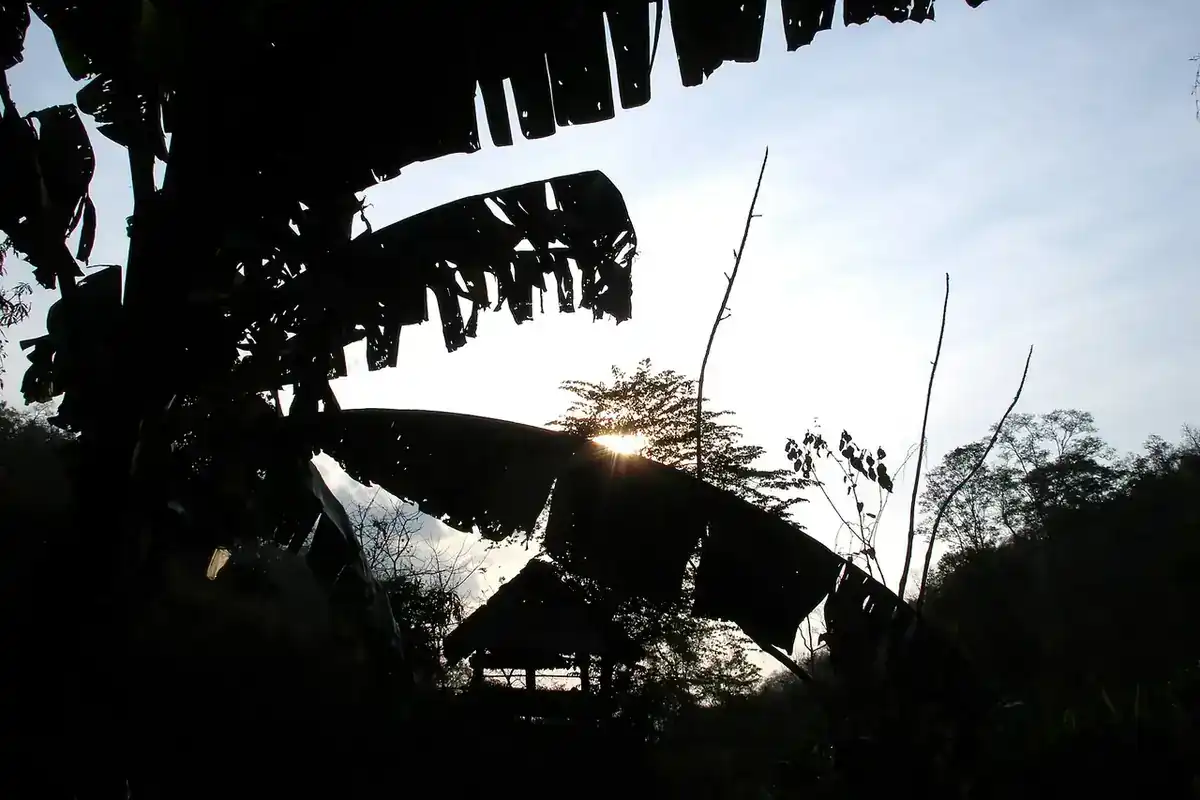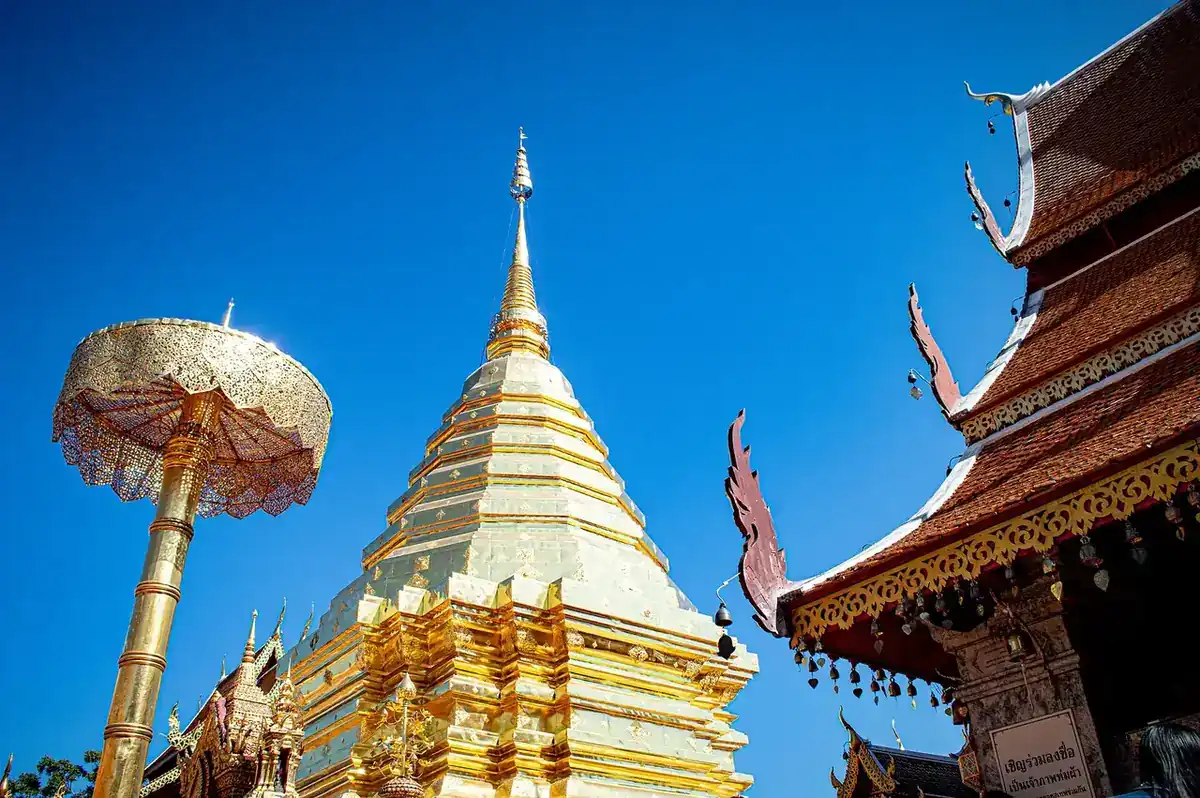
Pai is a small town in a valley in Mae Hong Son province, about three to four hours from Chiang Mai. It became popular for its relaxed atmosphere, riverside bungalows, cafes, a nightly walking street and nearby natural sights. It suits slow travel, short stays of two to four nights, and visitors who like scenery and low-key evenings.
Pai at a glance
The town is compact and walkable. Natural attractions are a short scooter or songthaew ride away. Because the main road in is mountainous, getting there is part of the experience, and part of the risk. Read Chiang Mai to Pai before choosing how to travel.
How to get there from Bangkok
Pai has no regular major commercial airline service that most travellers rely on, so the standard route is to go through Chiang Mai first. Times are approximate and change.
| Stage | Option | Typical time |
|---|---|---|
| Bangkok to Chiang Mai | Flight | About 1 hr 10 min |
| Bangkok to Chiang Mai | Overnight train | Roughly 11-13 hrs |
| Bangkok to Chiang Mai | Bus / coach | Roughly 9-11 hrs |
| Chiang Mai to Pai | Minivan or bus | About 3-4 hrs |
| Chiang Mai to Pai | Scooter or car | About 3-4 hrs, plus stops |
For the Bangkok-Chiang Mai leg, see the Chiang Mai hub. Check the operators' own sites for schedules, and consider travel-sickness tablets for the final stretch.
Best time to visit
- Cool season, Nov-Feb: Clear skies, cool mornings and nights (sometimes cold), and the busiest period. Book bungalows ahead around holidays.
- Hot season, Mar-May: Hotter days; the early part overlaps with smoke.
- Green season, roughly Jun-Oct: Lush rice fields and waterfalls, fewer visitors, and some rain. Road and landslide conditions can affect journeys, so check ahead.
Burning and smoke season, roughly Feb-Apr: Valleys in northern Thailand can trap smoke from agricultural and forest fires, and PM2.5 can reach unhealthy levels. Check the Pollution Control Department's Air4Thai site (air4thai.pcd.go.th) before you travel and while you are there. Carry N95-type masks, keep plans flexible, and think twice if you or your companions have asthma, heart or lung conditions, or are very young or elderly.
Areas to stay
- Town centre / Walking Street: Easy for food and nightlife; some noise at night.
- Riverside and bungalow areas: Quieter, with garden bungalows and rice-field views; usually a short walk or ride into town.
- Out-of-town resorts: More space and views, but you will need a scooter, car or arranged transfers.
Rooms can be inexpensive by international standards, with budget bungalows and hostels at the low end and boutique resorts at the top.
Top things to do
- Pai Canyon: Short walking trails along narrow ridges; go carefully, as the paths have steep drops and no rails in places. Sunset is popular, so expect crowds.
- Hot springs: Several natural thermal spots outside town. Check access and entry fees locally.
- Waterfalls and viewpoints: Seasonal flows vary, so ask locally about conditions.
- Walking Street: Evening food stalls and handicrafts.
- Tham Lod Cave: Located in Mae Hong Son province, typically visited on a day trip with a guide; check the official park information.
- Cafes, yoga and wellness: Pai has many cafes, yoga studios and massage places for slow days.
Budget table
Figures are approximate in Thai baht per person per day, as of 2026. Check current prices.
| Style | Accommodation | Food and drink | Transport and activities | Daily total |
|---|---|---|---|---|
| Budget | THB 250-600 | THB 250-450 | THB 150-300 (scooter rental, if used, is extra) | THB 650-1,350 |
| Mid-range | THB 900-2,000 | THB 500-900 | THB 300-800 | THB 1,700-3,700 |
| Comfortable | THB 2,500+ | THB 900+ | THB 800+ | THB 4,200+ |
Transport to Pai is a fixed cost; shared minivans are typically the cheapest way in, and scooters cost more once you add fuel and insurance. Compare current prices on operator pages.
Links and neighbouring destinations
- Chiang Mai hub: Your gateway and the best base for tours and onward travel.
- Chiang Rai hub: A different northern route; see the White Temple day trip.
- 3-day Chiang Mai plan: Pair with a few days in Pai.
- Thailand country hub: Entry rules, budgets and itineraries.
What to bring
- Warm layer for cool-season nights.
- Closed shoes with grip for Pai Canyon and waterfalls.
- Motion-sickness tablets for the road.
- Travel insurance that covers the activities you plan, including scooter use if relevant.
- N95 masks in burning season.
- Cash, since some small businesses and rural spots may not accept cards.
Safety basics
The biggest everyday risk in Pai is scooter accidents, often involving gravel, wet roads, steep hills and inexperienced riders. Wear a helmet, ride with a valid licence and insurance, and avoid riding at night or after drinking. Take care at canyon edges and at swimming spots after rain. In an emergency, call 191 for police, 1669 for medical help, or 1155 for the Tourist Police. For general guidance, see Thailand safety, scams and health.
FAQ
How many days should I spend in Pai?
Two to four nights is typical. Two days covers the main sights; more lets you slow down or explore farther.
Is Pai worth it in burning season?
It depends on your tolerance for poor air quality. Valleys can hold smoke, so check Air4Thai (air4thai.pcd.go.th) before booking and consider travelling in cooler, clearer months.
Can I fly to Pai?
Do not count on it. Most travellers fly or take the train to Chiang Mai and continue by road. Check the airport and airlines for any current service.
Do I need to rent a scooter?
No. Songthaews, taxis and arranged tours cover major sights. If you ride, take extra care and make sure your insurance covers it.
Is Pai suitable for children or older travellers?
The road in is winding, so consider motion sickness. Once there, Pai is calm, but canyon paths and waterfalls can be difficult for small children or people with limited mobility.
Official sources and further reading
Prices, schedules and entry rules change. Figures here are approximate as of 2026; always confirm on the official or operator page before you book. Spotted something out of date? Tell us.