Three days is enough to see the main sides of Chiang Mai without rushing: the temples of the walled Old City, the hilltop temple of Doi Suthep, the markets and food, and one longer outing. This plan is a template, so swap days around to suit the weather, your energy and market days. Prices and opening hours are approximate and can change; check each venue before you go.
Before you start
Chiang Mai is relaxed, but a few decisions shape the whole trip.
- Pick your base. The Old City is best for walking to temples; Nimman suits cafes and dining. See where to stay in Chiang Mai.
- Check the air. In roughly Feb-Apr, smoke from burning can make air quality unhealthy. Check Air4Thai (air4thai.pcd.go.th), run by Thailand's Pollution Control Department, before you finalise your dates and each morning.
- Dress for temples. Cover shoulders and knees, and remove shoes where indicated. See Thailand temple etiquette.
- Getting around. Red songthaews (shared pickup trucks) run set routes and negotiated fares; ride-hailing apps give a price up front. Agree the fare before you get in.
The 3-day route at a glance
| Day | Morning | Afternoon | Evening |
|---|---|---|---|
| 1 | Old City temples (Wat Chedi Luang, Wat Phra Singh) | Lunch of khao soi, cafe stop, optional massage | Sunday Walking Street (on Sundays) or a night market |
| 2 | Doi Suthep temple (early) | Cooking class or Nimman cafes | Dinner in Nimman or a northern Thai restaurant |
| 3 | Day trip: Doi Inthanon or an ethical elephant visit | Return, rest | Riverside dinner |
Day 1: Old City temples and food
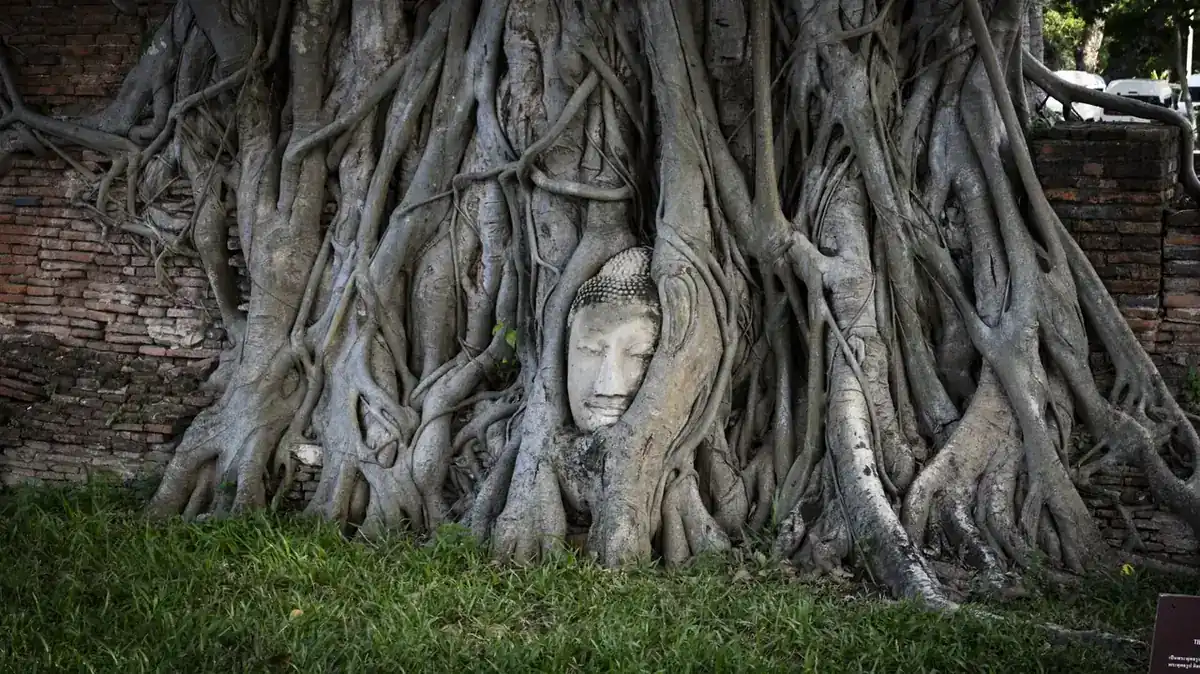
Start early before the heat and crowds. Wat Chedi Luang is a large ruined chedi in the centre of the Old City, partly restored, with a shrine and a quiet courtyard. Some temples run Monk Chat sessions where visitors can talk with novice monks, usually by donation, but arrangements vary by temple, so ask on site.
Walk or ride a short distance to Wat Phra Singh, one of the city's most important temples, known for its northern-style architecture and decorated halls. Entry details and fees for foreign visitors vary by temple and can change, so carry some small cash.
For lunch, try khao soi, the curried noodle soup topped with crispy noodles, which is found everywhere from street stalls to restaurants. Cool down with a cafe and a wander through the Old City's lanes, where small temples hide behind walls.
In the evening, if it is Sunday, the Sunday Walking Street runs through the Old City with food and craft stalls (days and hours can change, so check locally). Other nights, there are night markets in the Chang Khlan area and around the Old City.
Start the Old City by bicycle or on foot, and avoid walking at midday in the hot months. A traditional Thai massage in the afternoon is a good rest stop; check that the shop is clean, licensed and agrees the price first.
Day 2: Doi Suthep and Nimman
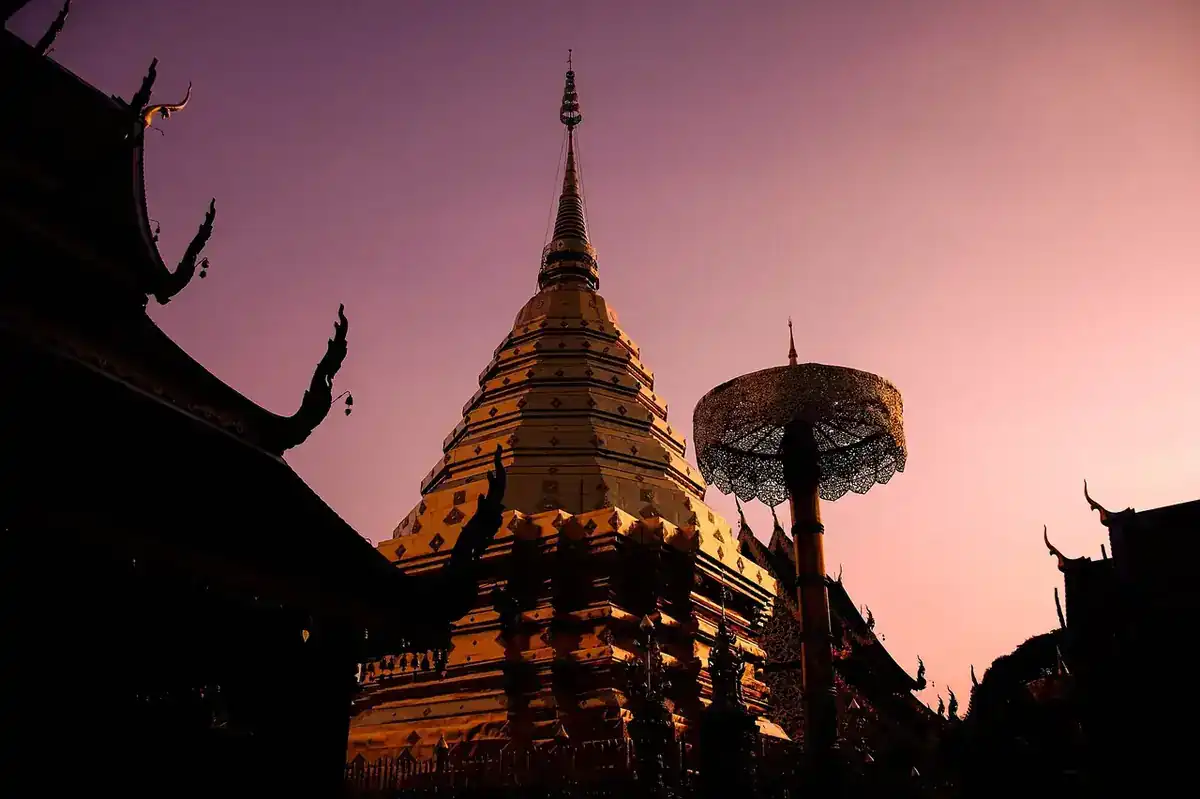
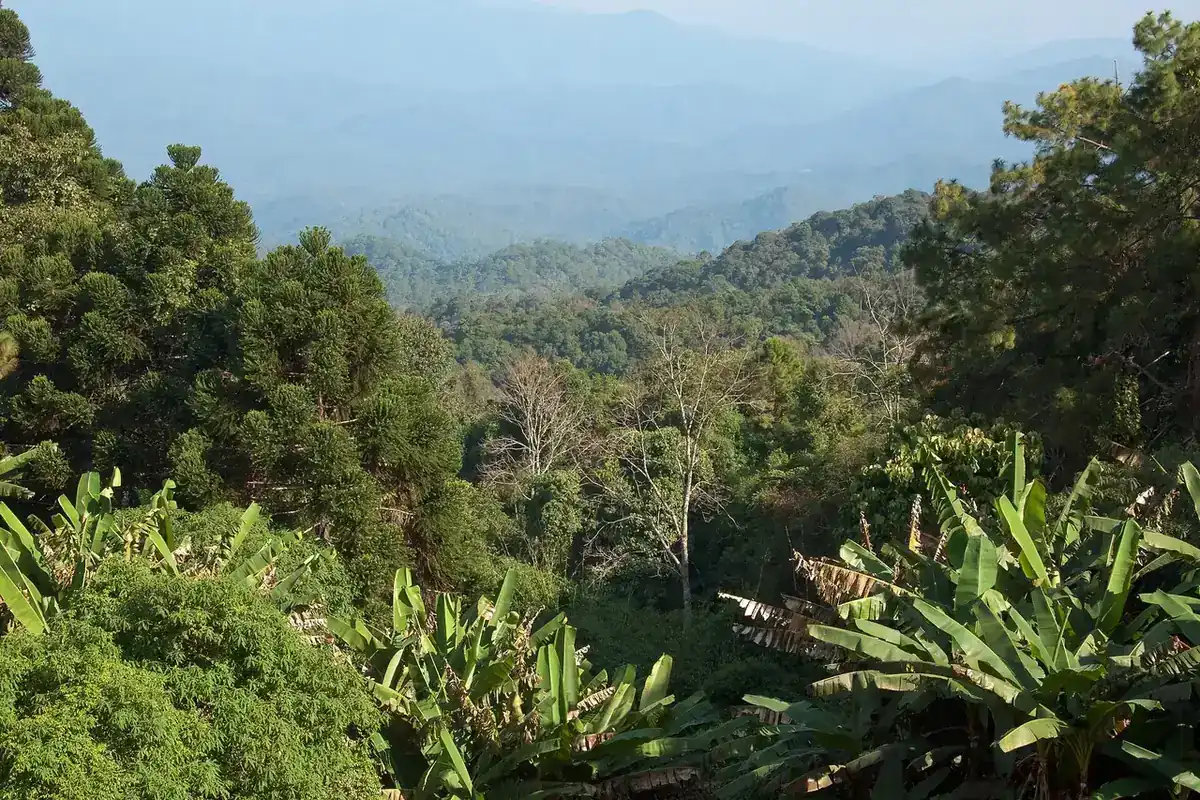
Go to Wat Phra That Doi Suthep early. It sits on a mountain west of the city and is reached by a road of bends or, at the top, a long staircase (there is also a funicular lift in some operating periods; check). Views over the city are best on clear, cool mornings. Dress modestly and expect crowds later in the day.
Reaching it is straightforward by red songthaew from the Old City area or by a hired driver. Agree the price and waiting time before departure. Riding a scooter up is possible but not recommended for beginners because the road is steep and winding.
After lunch, head to Nimman for cafes, boutiques and contemporary dining. A cooking class is another good option; typical half-day classes include a market visit and several dishes. Compare content and price on each provider's own page. In the evening, enjoy a northern-style dinner of dishes such as sai oua (herbal sausage) and nam prik num (a green chilli dip).
Day 3: choose a day trip
Pick one, because both are long days.
Option A: Doi Inthanon National Park
Thailand's highest mountain is about 1.5-2 hours' drive from the city. Typical stops include waterfalls, twin royal pagodas, short nature trails and hill-tribe markets. The weather at the summit is cooler than in the city. Entry fees and opening times are set by the Department of National Parks; check the official site (dnp.go.th) for current information. Go with a driver or tour, or rent a car if you are confident on mountain roads.
Option B: an ethical elephant visit
If you want to see elephants, choose carefully. Many venues offer riding, shows or bathing that harm animals. Read Chiang Mai ethical elephant visits first and ask the questions listed there before you book.
Option C: slow day
If you are tired, spend a relaxed day: temples you missed, a river walk, spa time and a food tour.
Costs for three days
Figures are approximate per person per day, as of 2026. Check current prices on each provider's own page.
| Item | Budget | Mid-range |
|---|---|---|
| Accommodation | THB 300-700 | THB 1,200-2,500 |
| Food and drinks | THB 250-500 | THB 600-1,200 |
| Local transport | THB 100-300 | THB 300-700 |
| Activities (class, tour, park fees) | THB 0-500 | THB 800-2,000 |
| Daily total | THB 650-2,000 | THB 2,900-6,400 |
Cooking classes, driver-guided day trips and entry fees add up faster than food or rooms. If you are on a tight budget, spend the extra on one paid activity and fill the other days with temples, markets and walking.
What to pack
- Light, breathable clothes plus a layer for cool mornings, especially Nov-Feb and on mountains.
- Modest clothing for temples and slip-on shoes for easy removal.
- Sunscreen, hat, insect repellent and a rain layer in the green season.
- A small N95-type mask if you will be there during burning season.
- Travel insurance and a copy of your passport details.
Safety notes
- Scooters: Accidents are common. If you ride, wear a helmet, hold a valid licence and check that insurance covers you.
- Air quality: In smoke season, reduce outdoor exercise and consider masks; check Air4Thai.
- Scams and fares: Settle fares before riding; be cautious about unsolicited offers of "closed attraction" detours or very cheap gem-shop tours. These are general, well-known cautions in Thai tourist cities.
- Emergencies: Call 191 for police, 1669 for medical help, or 1155 for the Tourist Police. See Thailand safety, scams and health.
Extending your trip
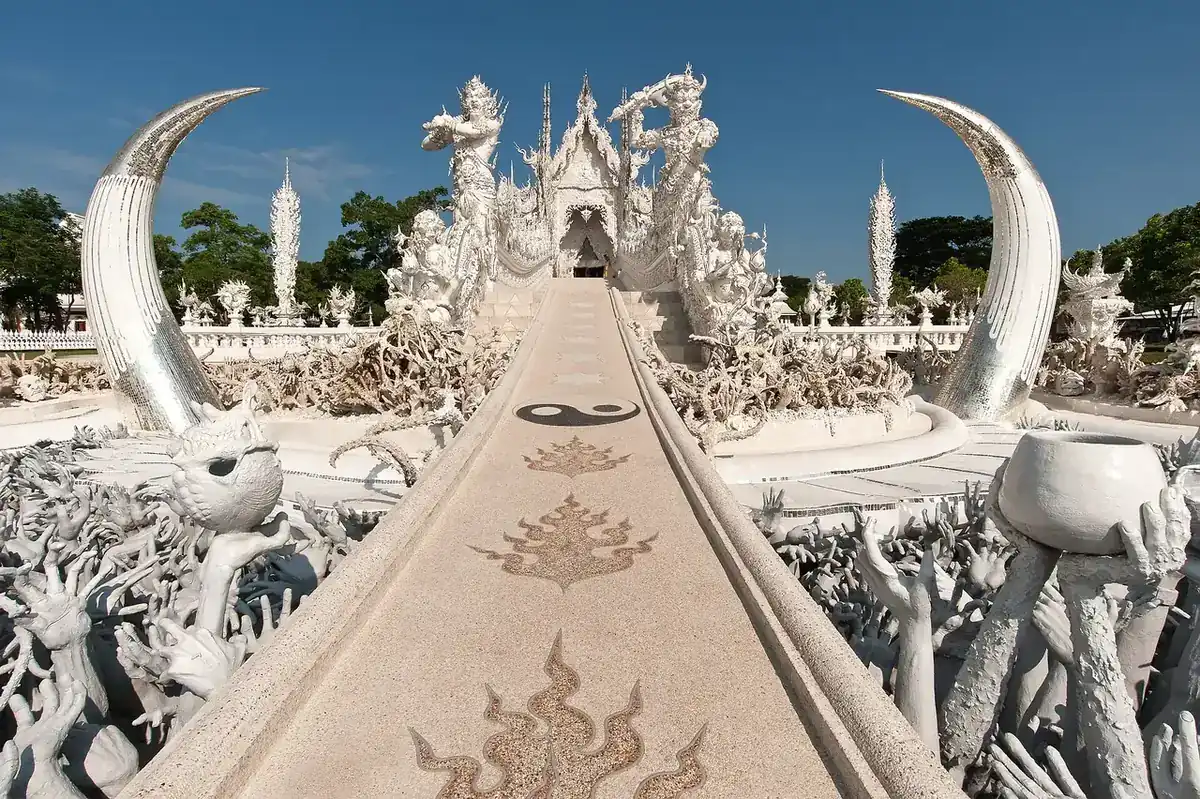
If you have more days, add Chiang Rai and the White Temple or a few nights in Pai. Read Chiang Mai to Pai before choosing how to travel. For the full picture, return to the Chiang Mai hub or the Thailand country hub.
FAQ
Is 3 days enough for Chiang Mai?
Yes for highlights: temples, Doi Suthep, food and one day trip. A fourth or fifth day lets you add cooking classes, spa time, Doi Inthanon and a slower pace.
What is the best order for the days?
Do the Old City first on foot, Doi Suthep early on a clear morning, and save the day trip for last. If a Sunday falls in your stay, plan the Old City day to include the Sunday Walking Street.
Do I need to book temple visits?
Usually not. Temples are open to visitors, though hours and fees vary. Booking is more relevant for cooking classes, drivers and elephant visits.
Can I do Doi Inthanon without a tour?
Yes with a rental car or hired driver, but allow a full day, and check road and weather conditions first. Some visitors prefer organised tours for convenience.
What should I avoid during burning season?
Avoid long outdoor hikes and schedule indoor activities on the worst days. Check Air4Thai (air4thai.pcd.go.th) for current readings and think about visiting in Nov-Feb instead.
Official sources and further reading
Prices, schedules and entry rules change. Figures here are approximate as of 2026; always confirm on the official or operator page before you book. Spotted something out of date? Tell us.