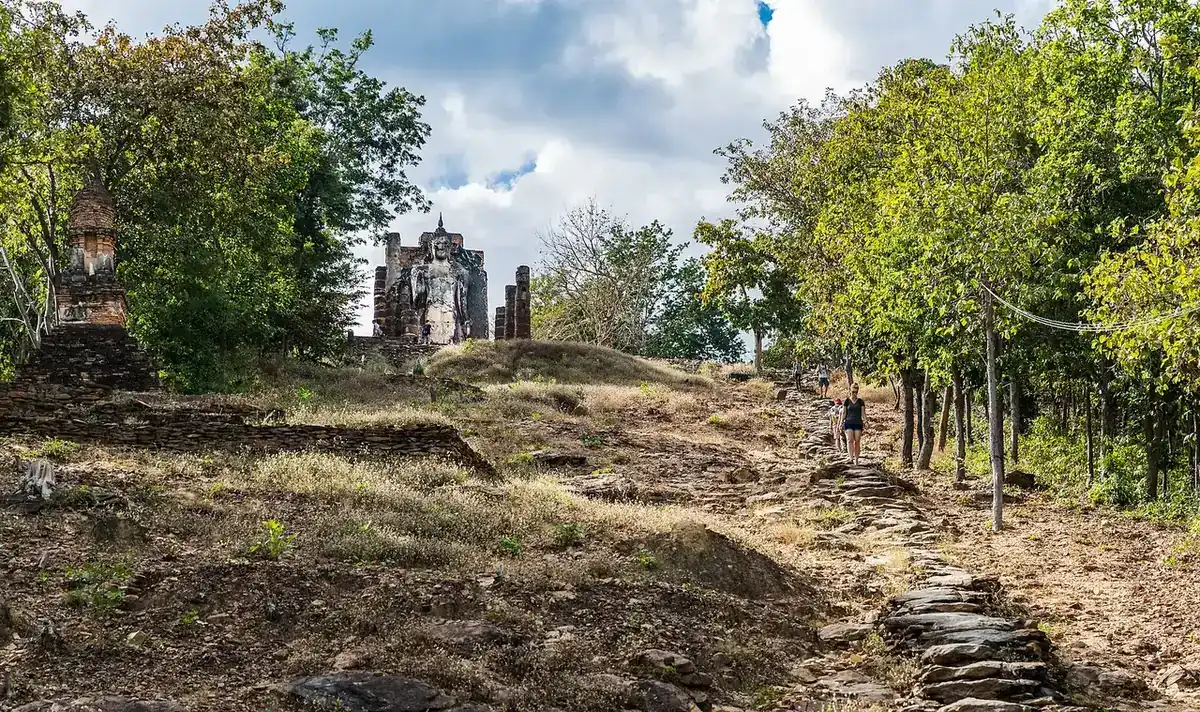
Isaan, Thailand's northeast, is a large and varied region that is often skipped by first-time visitors. That leaves it with a more local feel, lower prices than the islands and a strong regional identity expressed in food, music, language and festivals. This guide is intended to help you choose a route, understand the practicalities and avoid the common planning mistakes: distances are long, transport can be sparse and weather affects what is accessible. Start with the Isaan hub for an overview, or read the Thai-language Isaan highlights.
Choosing a route
Isaan is too large to see in a single trip. Pick one of these styles depending on time and interests.
| Route | Days | Focus | Typical transport |
|---|---|---|---|
| Khorat loop | 3-4 | Khao Yai, Khorat, Phimai and other Khmer sites in the region | Train or bus to Khorat, then rental car or tours |
| Mekong route | 5-7 | Udon Thani, Ban Chiang, Nong Khai, Loei, Chiang Khan | Flights or trains to Udon Thani, then buses or a rental car |
| Southeast route | 4-6 | Ubon Ratchathani, Pha Taem, Phu Chong Na Yoi | Flight or train to Ubon, then rental car |
| Long loop | 10-14 | Combines several routes with Khon Kaen as a hub | Mix of trains, buses and a rental car |
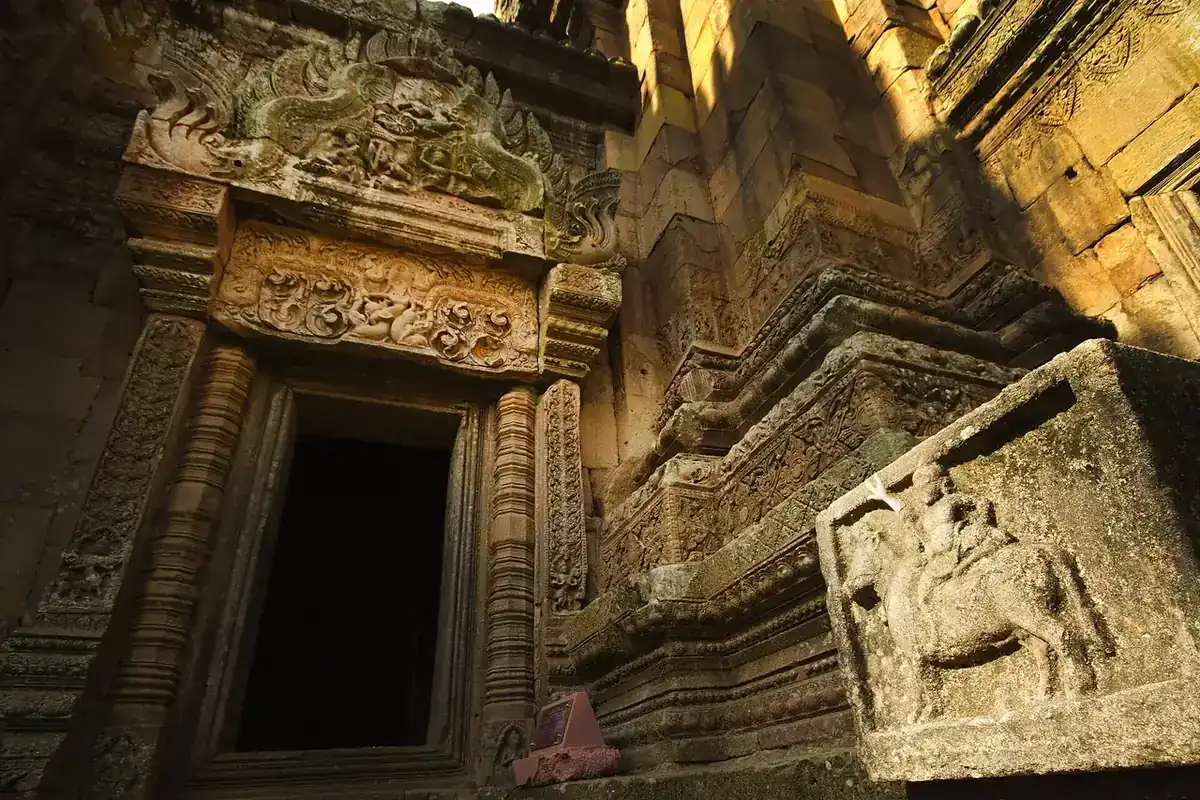
Khmer sites such as Phimai (Nakhon Ratchasima) and Phanom Rung (in Buriram province, a separate stop from Khorat) are widely visited, but check the current access arrangements for specific border-area temples. Some border locations have changing restrictions.
Getting there and around
Schedules, fares and routes change; check each operator's own page (as of 2026).
- Trains: Lines from Bangkok serve Nakhon Ratchasima, Khon Kaen, Udon Thani, Nong Khai and Ubon Ratchathani, with sleeper options on some services. A high-speed line to the northeast is under development; see the State Railway of Thailand for current status.
- Buses and vans: Frequent coaches connect Bangkok to most provincial capitals, and regional buses link cities. Travel times between cities are long; plan realistic days.
- Flights: Domestic flights serve Udon Thani, Khon Kaen, Ubon Ratchathani and Loei; they save time on long routes.
- Rental car: The best choice for Khao Yai, Phimai, Phu Chong Na Yoi and rural sites. Roads on main routes are generally good, but night driving in rural areas is risky.
- Motorbike: Common locally; ride only if experienced, with a helmet, licence and insurance.
See Thailand getting around for general transport tips.
Highlights, region by region
Khao Yai and Nakhon Ratchasima
Khao Yai National Park is one of Thailand's best-known parks, with forest trails, waterfalls and wildlife. It is part of a UNESCO-listed forest complex, and entry arrangements are managed by the national parks authority. Check the national park authority for fees, rules and seasonal access (as of 2026). Khorat is a good base for food and for reaching Khmer sites.
Phimai
Phimai Historical Park is a Khmer-era temple complex of sandstone and laterite, thought to be linked to the same architectural tradition as the better-known Khmer monuments farther east. Allow a few hours; it is usually visited from Khorat.
Khon Kaen
A university city with museums, markets and silk-weaving villages nearby. It works as a transport hub between the northeast's main routes.
Udon Thani and Ban Chiang
Ban Chiang is a UNESCO-listed prehistoric site known for pottery and early metalworking; its museum explains the findings. Red lotus lakes near Udon Thani bloom in the cool season and are usually best seen at sunrise, though flowering varies from year to year.
Nong Khai and the Mekong
A relaxed river town with sunset views, a night market, a bridge to Laos and the sculpture park of Sala Keoku. Border crossings and visas follow the rules of each country; check official sources before planning to cross.
Ubon Ratchathani, Pha Taem and Phu Chong Na Yoi
Ubon is known for its candle festival, typically around July. Pha Taem National Park has cliff paintings and Mekong viewpoints, while Phu Chong Na Yoi, on the southeastern border area, has waterfalls and sunrise viewpoints. Check access and any border-area restrictions before travelling.
Loei, Phu Kradueng and Chiang Khan
Loei province has cooler mountain areas. Phu Kradueng is a popular hiking plateau; access is generally restricted in the rainy season, so check the park's current opening arrangements. Chiang Khan is an old wooden town on the Mekong, known for its walking street and slow, riverside atmosphere.
Food to try
Isaan cuisine is built around sticky rice and bold flavours. Typical dishes include som tam (papaya salad), larb (minced meat salad with herbs), grilled chicken and pork, sausage with sour notes and spicy soups. Spice levels can be high, so ask for milder preparation if needed. Many vendors close in the afternoon; markets are best in the morning and evening.
Learn two phrases: "mai phet" (not spicy) and "phet nit noi" (a little spicy). They are widely understood and make meals more enjoyable.
Costs
All figures are approximate and may change (as of 2026); check each provider's own page.
| Item | Approx. cost (THB) |
|---|---|
| Bangkok to a northeast city by bus | 300-900 |
| Train fare, depending on class | 300-1,500 |
| Domestic flight | Varies widely; check airline sites |
| Rental car per day | 900-1,800 plus fuel |
| Meal in a local restaurant | 50-250 |
| Guesthouse per night | 400-1,200 |
| Mid-range hotel per night | 1,200-3,000 |
| National park entry (foreigners) | Check the park; often in the low hundreds of baht |
Isaan is among the lower-cost regions in Thailand; the largest expenses are long-distance transport and rental cars.
When to go
November to February is cooler and drier, ideal for trails and outdoor sights. March to May is very hot, often well above 35 degrees Celsius. The rainy season (roughly June to October) is green and quieter; some parks restrict access. Festivals include the candle festival in Ubon, rocket festivals in the dry-to-wet transition and the Surin elephant event, but dates vary, so check the Tourism Authority of Thailand. See Thailand best time by region.
What to bring
- Light clothing, a rain jacket in the wet season and a layer for cool mornings in the hills.
- Walking shoes for ruins and trails.
- Sun protection, water and insect repellent.
- Cash; card acceptance is limited at small restaurants and rural sites.
- A downloaded offline map for rural driving.
Safety
Emergency numbers are 191 (police), 1669 (medical emergency) and 1155 (Tourist Police). Drive carefully, especially at night and on long straight stretches. Wear helmets on motorbikes and carry insurance. Treat border areas with caution and check official advice for any restrictions.
Combining with other destinations
Many travellers link Isaan with Bangkok at the start or end, or continue north to Chiang Mai through Loei or Phitsanulok. Historical interest also pairs it with Ayutthaya on the way from Bangkok.
FAQ
What is the best way to see Isaan if I only have a week?
Choose one route: either the Khorat loop for Khmer sites and Khao Yai, or the Mekong route through Udon Thani, Nong Khai and Chiang Khan. Trying to cover both usually means too much travel.
Is Isaan easy to travel without a car?
City-to-city travel is straightforward by train, bus or flight, but rural sights and national parks are easier with a car or organised transport.
Is English widely spoken?
Less than in major tourist areas. Hotel staff in larger cities usually speak some English; in small towns, translation apps and basic Thai phrases help.
What should I know about visiting temples?
Dress modestly, remove shoes where required, avoid touching Buddha images and follow local signs.
Can I cross into Laos from Nong Khai?
There are official crossings in the region, but rules and visa requirements change. Check current official guidance before planning.
Official sources and further reading
Prices, schedules and entry rules change. Figures here are approximate as of 2026; always confirm on the official or operator page before you book. Spotted something out of date? Tell us.